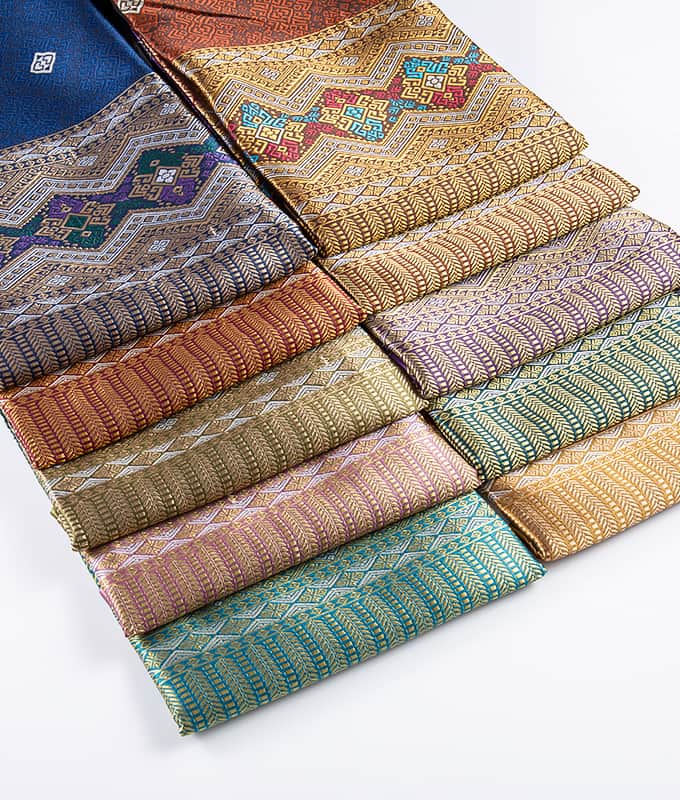
Polyester Fabrica pro Traditionali Southeast Asia Sarong Skirt pontibus hereditatem et modernitatem. In traditionibus culturalibus radicata, haec f...
See Details


Southeast Asia National Traditional Sarong Fabric Guide
Industria News-The " sarong nationalibus traditional fabricae "Per Southeast Asia optime intelligitur pro familia textor *um wrap" -most plerumque sarong longitudo linteis in signature ars simile batik , ikat et songket , each tied to specific countries, ceremonies, and weaving communities. Indonesian batik, for example, is formally recognized by UNESCO as intangible cultural heritage (inscribed in 2009). :contentReference[oaicite:0]{index=0}
Quid valet "sarong fabricae" in Southeast Asia
In Southeast Asia, “sarong” can mean either a tubular garment or a rectangular cloth wrapped and secured at the waist. The fabric is often decorated using batik or ikat methods, or woven as brocade-like luxury cloth (songket). :contentReference[oaicite:1]{index=1}
Practicam inspectionem videbis in tabernis
Amplitudines rusticae et vestimenti variantur, sed haec realis-mundi index recte tibi auxilium praebeat:
- Suspendisse longyi: circa 2 m longa et 80 cm lata , commonly sewn into a cylinder. :contentReference[oaicite:2]{index=2}
- Cambodiae sampot chang kben (involutum, trouser-sicut drape): citatis ut pannus rectangularis circiter III m longa et I m lata . :contentReference[oaicite:3]{index=3}
- Southern Philippines malong: descriptus est de IV cubitis et ~ L pollices altum (often tubular). :contentReference[oaicite:4]{index=4}
Tres lapis angularis "sarong textilia nationalis traditional"
Si vis magna fiducia, culturae structa par "Fabulae Australis Asiae nationalis sarongae traditionalis", hae sunt tres artes, quas frequentissime trans nationes et contextus in usu formali occurres.
| Fabrica / ars | Quomodo factum est | Visual cue | Usus optimus causa |
|---|---|---|---|
| Batik | Cera resistunt tingendis pannis; altum argumentum aenigma | ARGUMENTUM oras crispum; repetendi symbolica exemplaria | Quotidie ad ceremonias togam; ICONICUS in Indonesia |
| Ikat | Resiste bis tincto ante texentes | Mollis "obtusa" seu forma plumae margines | Velamina durabilia linteamina; hereditatem textrinum per regionem |
| Songket | Adiecta subtegmina texuntur utens metallicis stamina | Coruscans aurum / argentum motifs (brocade effectus) | Nuptias, occasiones status, ornatum formalem (Malay mundi) |
Indonesian batik is internationally recognized by UNESCO for its techniques, symbolism, and cultural role (inscribed in 2009). :contentReference[oaicite:5]{index=5} Ikat is widely described as a Southeast Asian-origin resist-dye method applied to yarns prior to weaving, producing its characteristic softened pattern boundaries. :contentReference[oaicite:6]{index=6} Songket is consistently defined as a handwoven textile with gold or silver threads, historically spread across the Malay world (including Indonesia, Malaysia, Brunei). :contentReference[oaicite:7]{index=7}
Quam ad recognoscendas veras sarong fabricae vestigia VIATOR vs
Peritus textilis esse non debes – utere paucis praecipuis stimulis quae tabula directe ad quomodo illae fabricae fiunt.
Batik: quaere processus "digiti" non solum motifs
- If a piece is marketed as heritage batik but the pattern looks perfectly uniform on both sides with no dye-depth variation, it may be a surface print rather than a resist-dyed cloth (batik is defined by technique and cultural practice, not just visual style). :contentReference[oaicite:8]{index=8}
- Ask for the technique: sellers who can describe wax-resist steps and motif meaning usually deal in higher-integrity work, consistent with UNESCO’s framing of batik as technique symbolism culture. :contentReference[oaicite:9]{index=9}
Ikat: "labes" pluma est, non vitium
Ikat’s hallmark is that yarns are resist-dyed before weaving, so the pattern alignment naturally creates slightly feathered edges; a perfectly sharp, pixel-like ikat motif can indicate digital printing. :contentReference[oaicite:10]{index=10}
Cantilena: metallicum textura confirmant, non atramentum metallicum
Songket is described as a handwoven fabric where metallic threads are inserted as supplementary weft, producing a true raised shimmer. If the shine disappears when you tilt it and the surface feels flat like ink, treat “songket” as a marketing label rather than a weaving structure. :contentReference[oaicite:11]{index=11}
Utilia exempla quae map to "national traditional" usus
Asia Meridiana diversa est, sed quaedam paria maxime stabilia sunt si exempla "sarong nationalis traditionalis fabricae" peregrinationis, donationis, aut culturae induendi.
- Indonesia: Batik is a nationally emblematic textile tradition recognized by UNESCO (2009). :contentReference[oaicite:12]{index=12}
- Suspendisse: Longyi (sarong-sicut vestis) late attrita est; communi referat inspectionem est ~2 m 80 cm . :contentReference[oaicite:13]{index=13}
- Mundus Malayensis (Malaysia / Brunei / partes Indonesiae); Songket is a signature ceremonial fabric woven with gold or silver threads. :contentReference[oaicite:14]{index=14}
- Cambodia: Traditional systems pannum velatum includunt sampot formas; unum documentum exemplum est vestis rectangula ~ III m longum et I m latum for sampot chang kben. :contentReference[oaicite:15]{index=15}
- Philippinae Australis: Mago est vestis tubularis; a referenced magnitudine est ~ IV cubitis et ~ L pollices altum . :contentReference[oaicite:16]{index=16}
Genus emendi: fabricam fabricam eligere pro calore, caerimonia, et budget
Hoc utere tamquam instrumento definito practico cum shopping in mercatus vel in indice online.
Si opus est cotidiana sarong
- Elige amet risus vel risus mixtio; prioritize comfortable latitudo / longitudo proxima ad normas regionales (exempli, longyi references around 2 m 80 cm ). :contentReference[oaicite:17]{index=17}
- For ikat, accept minor pattern “softness” as normal for yarn-resist weaving. :contentReference[oaicite:18]{index=18}
Si opus caeremoniale / formal textile
- Colligunt songket when you want visible prestige—its defining feature is supplementary weft metallic threads (gold/silver). :contentReference[oaicite:19]{index=19}
- Colligunt culturally grounded batik when motif meaning matters; UNESCO specifically frames batik as technique symbolism embedded in life events. :contentReference[oaicite:20]{index=20}
Velox species quaestiones quaerere venditor
- Is it wax-resist dyed (batik), yarn-resist woven (ikat), or metallic-thread woven (songket)? :contentReference[oaicite:21]{index=21}
- Quid est magnitudo accurata in cm vel metris (non fidit in "una magnitudine")? Utere references ut ~2 m 80 cm for longyi-type wraps. :contentReference[oaicite:22]{index=22}
- What fiber is it (cotton vs silk)? Songket is commonly described as silk or cotton with metallic threads. :contentReference[oaicite:23]{index=23}
Cura et repone: serva traditum sarong fabricae wearable pro annis
Traditional sarong fabric longevity depends on matching care to construction—especially for dyed surfaces (batik), yarn-dyed weaves (ikat), and metallic-thread structures (songket). :contentReference[oaicite:24]{index=24}
- For batik: avoid harsh detergents and prolonged direct sun; batik is defined by hand-applied resist and dyed cloth culture, so treat it as a dyed textile, not a “printed towel.” :contentReference[oaicite:25]{index=25}
- For ikat: hand-washing reduces abrasion on yarn-dyed patterning created before weaving. :contentReference[oaicite:26]{index=26}
- For songket: store folded with soft tissue or cloth layers to reduce snag risk on metallic threads inserted during weaving. :contentReference[oaicite:27]{index=27}
Solum versus: optimum "national traditional fabricae sarong" electionis
Si quis summus indiget fidei responsum: eligere Indonesiaca batik maxime divulgatum nationalibus traditum sarong fabricae reference (UNESCO-inscriptus MMIX) et elige songket or ikat when your goal is respectively formal prestige or heritage weaving identity across Southeast Asia. :contentReference[oaicite:28]{index=28}
Related products
-
-
100% Polyester Jacquard Pattern Colorful Southeast Asian Sarong Fabric – durabilem, vibrant, et facilem ad curandum, destinatum ad tam pulchritudin...
See Details -
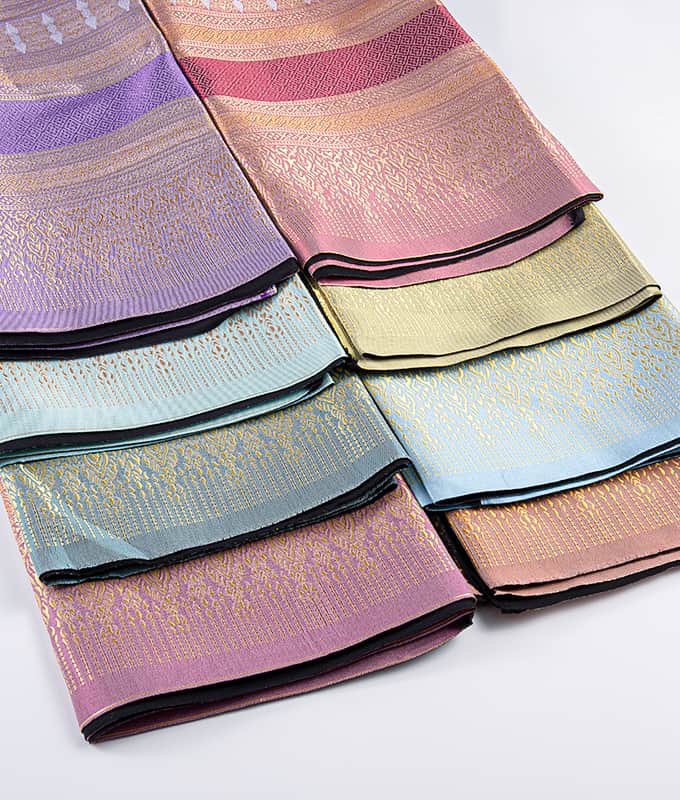
Polyester Fabrica popularis Traditionalis Sarong Thai Sarong e filamentis polyesteris diligenter selectis conficitur, cum strictae qualitate modera...
See Details -
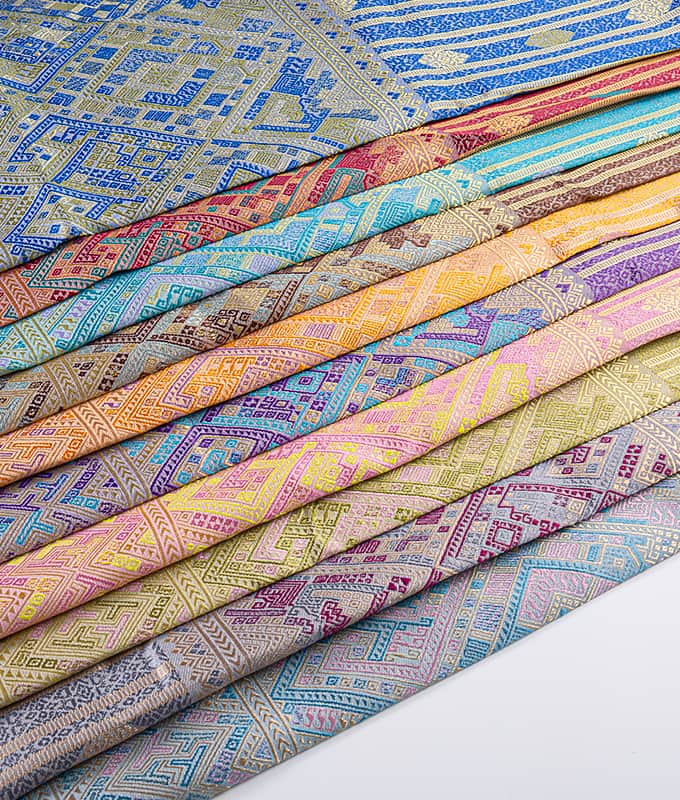
Coelen Polyester Jacquard Fabric pro Laotian Traditional Sarong — perfectam fusionem hereditatis culturae Lao et moderni fibrarum innovationis. Mot...
See Details -
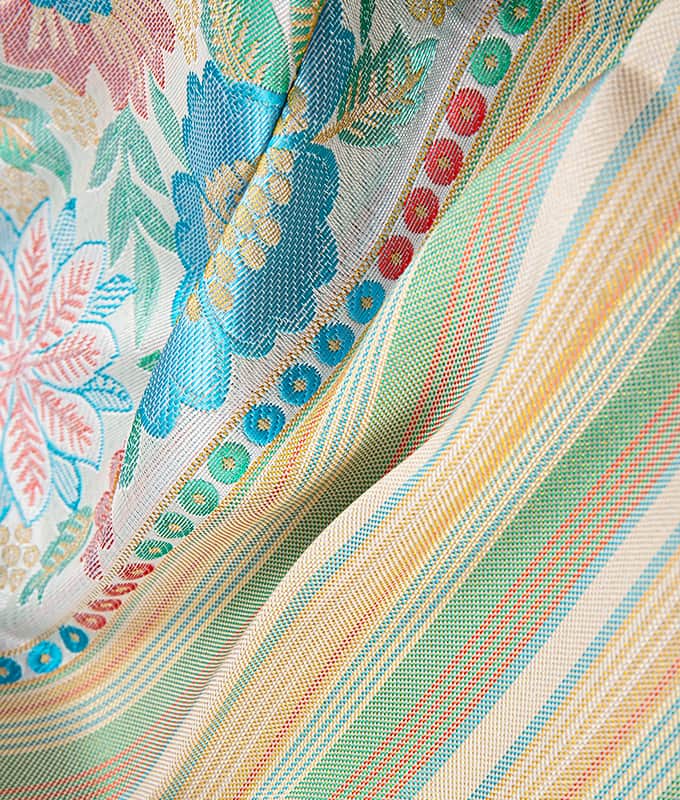
HELIANTHUS Print Poly-Cotton Fabric pro Sarong — fabrica venusta ab sunflowers inspirata, industria et splendore radiantis. Mollis poly-cotton fact...
See Details -
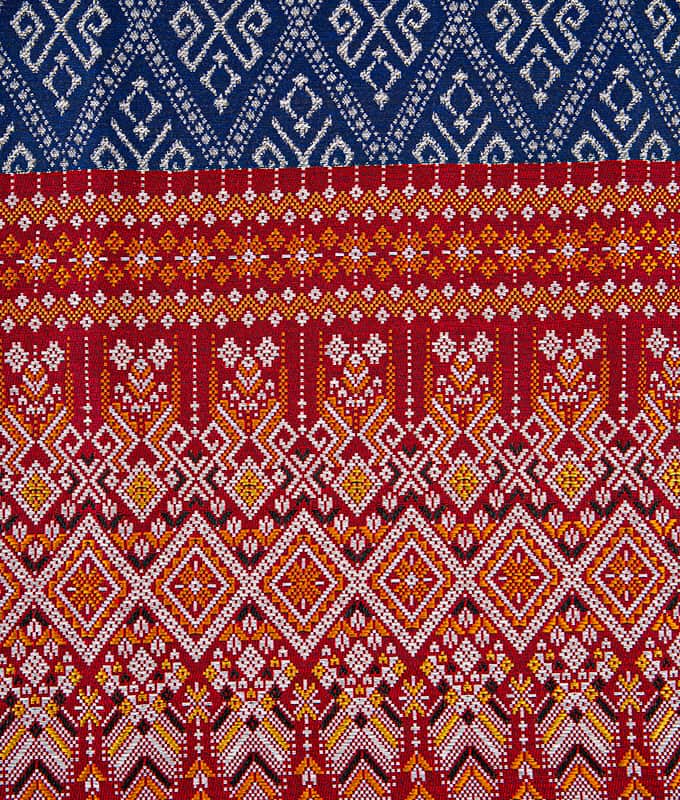
Manu-Stitched Style Poly-Cotton Fabric pro Sarong- styli et prudentiae elegantiae mixtio, fabricatus ad fimbriam tubi textura lenis et silhouette b...
See Details

